
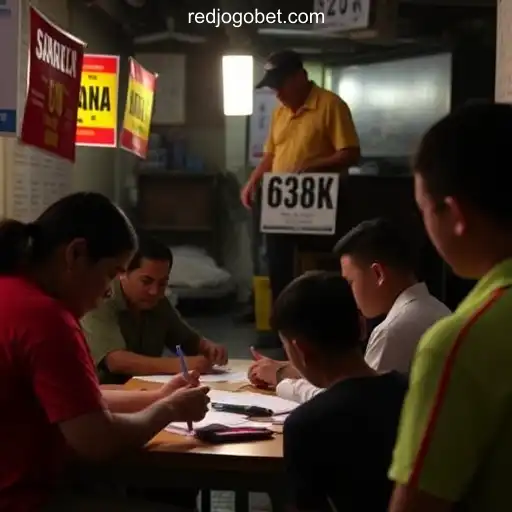

Understanding Jueteng: A Deep Dive into Unlawful and Legalized Gambling
Jueteng is an illegal numbers game that has favorably embedded itself within the culture of the Philippines. It operates similarly to a lottery, with roots that trace back to the Spanish colonial era. Despite numerous efforts to eradicate it, jueteng continues to thrive, posing significant challenges to government authorities and law enforcement agencies in the Philippines.
The Mechanics of Jueteng
The operation of jueteng revolves around betting on a combination of numbers, typically from 1 to 37. Individuals who participate in the game place their bets through cobradores or bet collectors. These collectors are responsible for gathering funds and notifying players of the results. Winning numbers are typically generated using a system that appears random but is often manipulated to favor organizers.
With widespread participation from various socio-economic sectors, its allure lies in the small bet amounts and the potential for substantial winnings. This affordability makes jueteng accessible across different demographics, thus broadening its reach and maintaining its popularity.
Social and Economic Impacts
Jueteng's influence extends beyond mere gambling. Economically, it generates substantial clandestine income and supports numerous jobs related to its operation—from local enforcers at the community level to high-profile syndicates running the numbers game. It is reportedly a significant part of the shadow economy in many provinces and has been known to bankroll election campaigns of politicians who turn a blind eye to its illegal nature.
On a social level, jueteng presents moral and ethical concerns. It fosters a culture of gambling and can lead to financial distress for those who become deeply involved, expecting to win big but losing continuously instead. This leads to broader issues such as indebtedness and family tensions.
Efforts in Regulation and Law Enforcement
Legal battles against jueteng have seen various strategies, ranging from infiltration operations to direct arrests of organizers and collectors. These efforts are met with varying degrees of success due to the complicated nature of its operations and heavy influence from powerful backers, including corrupt officials.
To combat jueteng, the Philippine government has historically introduced alternatives, such as the Small-Town Lottery (STL), designed to regulate and legalize the gambling sector without entirely eradicating local gambling practices. Though this has been relatively successful, it has not entirely displaced jueteng.
The Case of REDJOGO 2026 - Melhor Cassino Online do Brasil
In discussing jueteng, it is essential to contrast it with legal gambling platforms that offer a similar thrill absent the underground complexities and legal ramifications. An exemplary entity in this arena is REDJOGO 2026 - Melhor Cassino Online do Brasil. This platform epitomizes transparency and legality, providing a wide range of gaming options within a regulated framework.
Unlike jueteng, which relies on physical interactions for placing bets and disseminating results, platforms like REDJOGO offer a seamless, digital experience, accessible anytime and anywhere. This is crucial in promoting a legal and safe gambling environment that can potentially mirror the excitement traditionally associated with numbers games.
Jueteng in Modern Culture
While some might argue that jueteng is a culturally embedded tradition, others view it as a detrimental social vice. This dichotomy reflects the complex nature of gambling in society—perceived by some as a harmless pastime and by others as a dangerous addiction.
The resilience of jueteng illustrates the broader struggle between cultural practices and legal frameworks. It highlights the necessity for efforts that strike a balance between cultural sensitivities and socioeconomic realities, proposing a shift toward regulated and transparent systems.
Additionally, it casts a spotlight on the importance of public awareness and education regarding the impacts of gambling and the availability of legal alternatives like REDJOGO 2026. Shifting focus toward safe gambling can marginalize illegal operations, fostering a healthier gambling culture.
Sustainable Solutions and the Way Forward
To address the enduring presence of jueteng, a multi-faceted approach is critical. This includes strengthening the legal gambling framework and bolstering enforcement efforts while simultaneously exploring socio-economic interventions designed to provide alternative livelihoods for those entrenched in illegal operations.
Conclusively, as countries like the Philippines consider their gambling legislation, observing online alternatives such as REDJOGO 2026 - Melhor Cassino Online do Brasil could offer valuable insights into building sustainable and appealing regulated gambling environments. This ensures that the cultural elements associated with games like jueteng are not entirely lost, but rather transformed into productive segments of the economy. For more information, visit the REDJOGO homepage.